
Disclaimer
Nextpad++ is an independent community port and is not affiliated with or endorsed by the Notepad++ project.
Windows 11 Phoenix Liteos Pro Neon 22h2 Build Work Best
Nextpad++ is macOS native editor for Apple Silicon and Intel Macs.
Nextpad++ is an independent community port and is not affiliated with or endorsed by the Notepad++ project.
Nextpad++ is macOS native editor for Apple Silicon and Intel Macs.
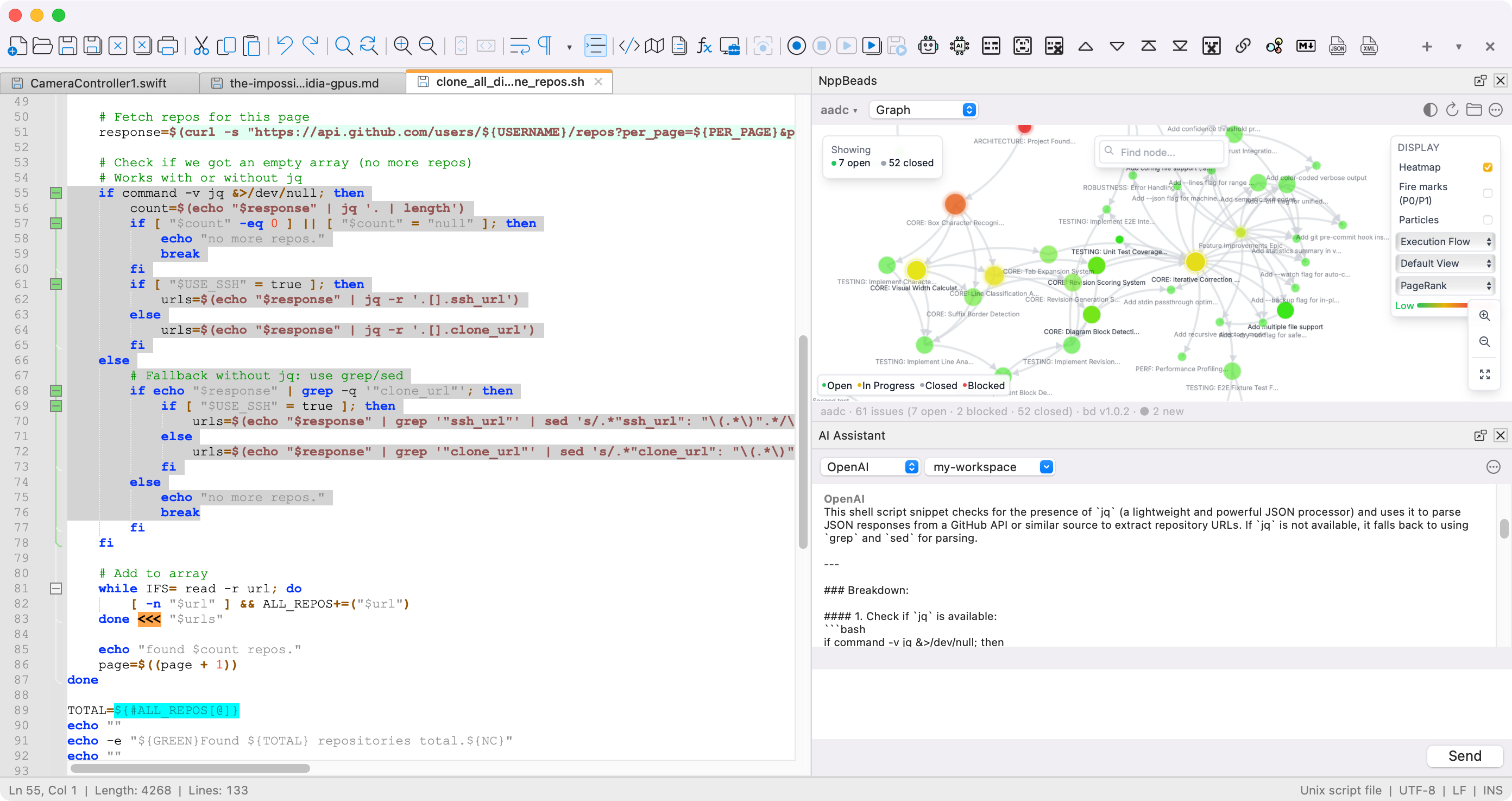
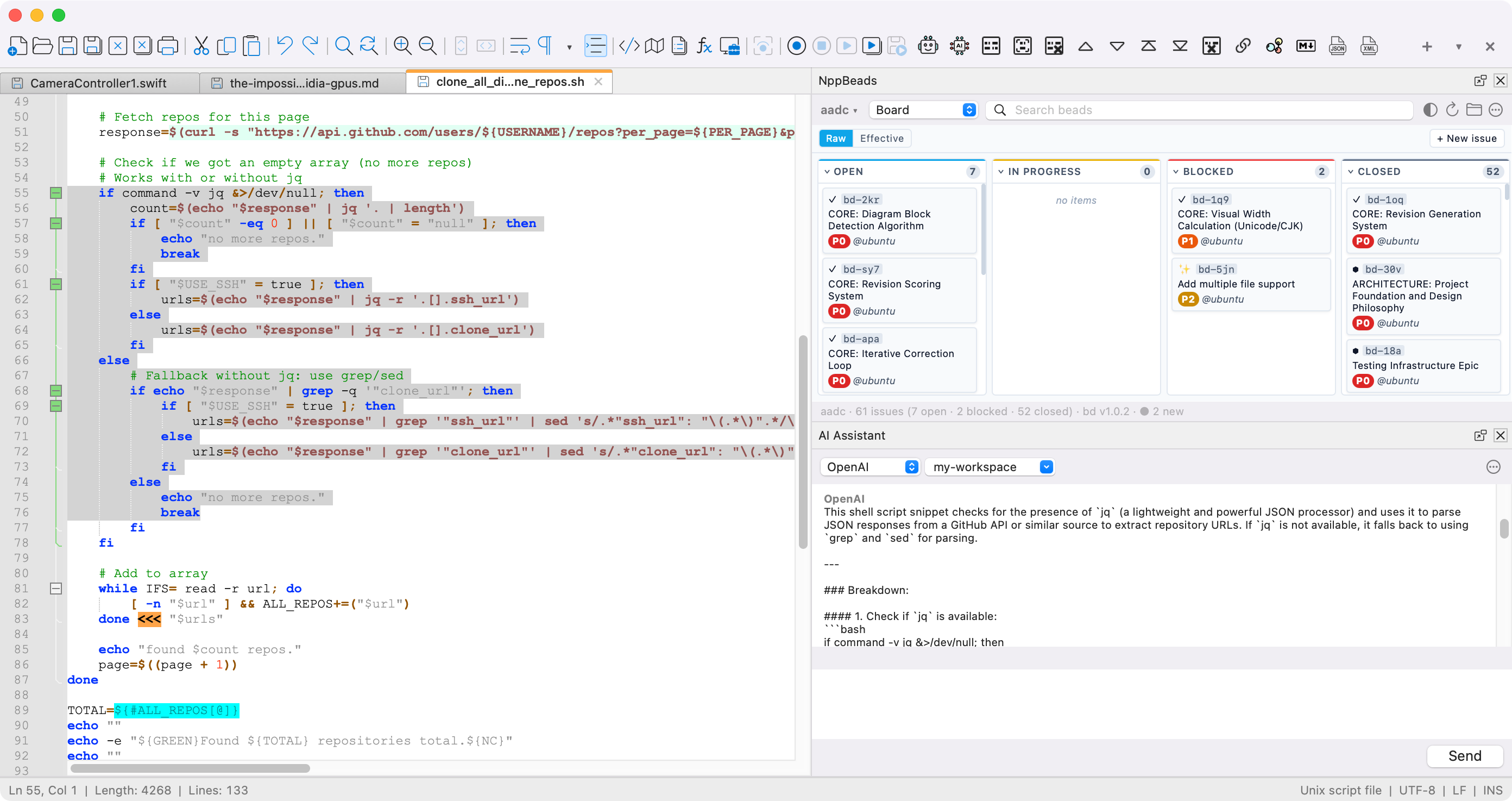
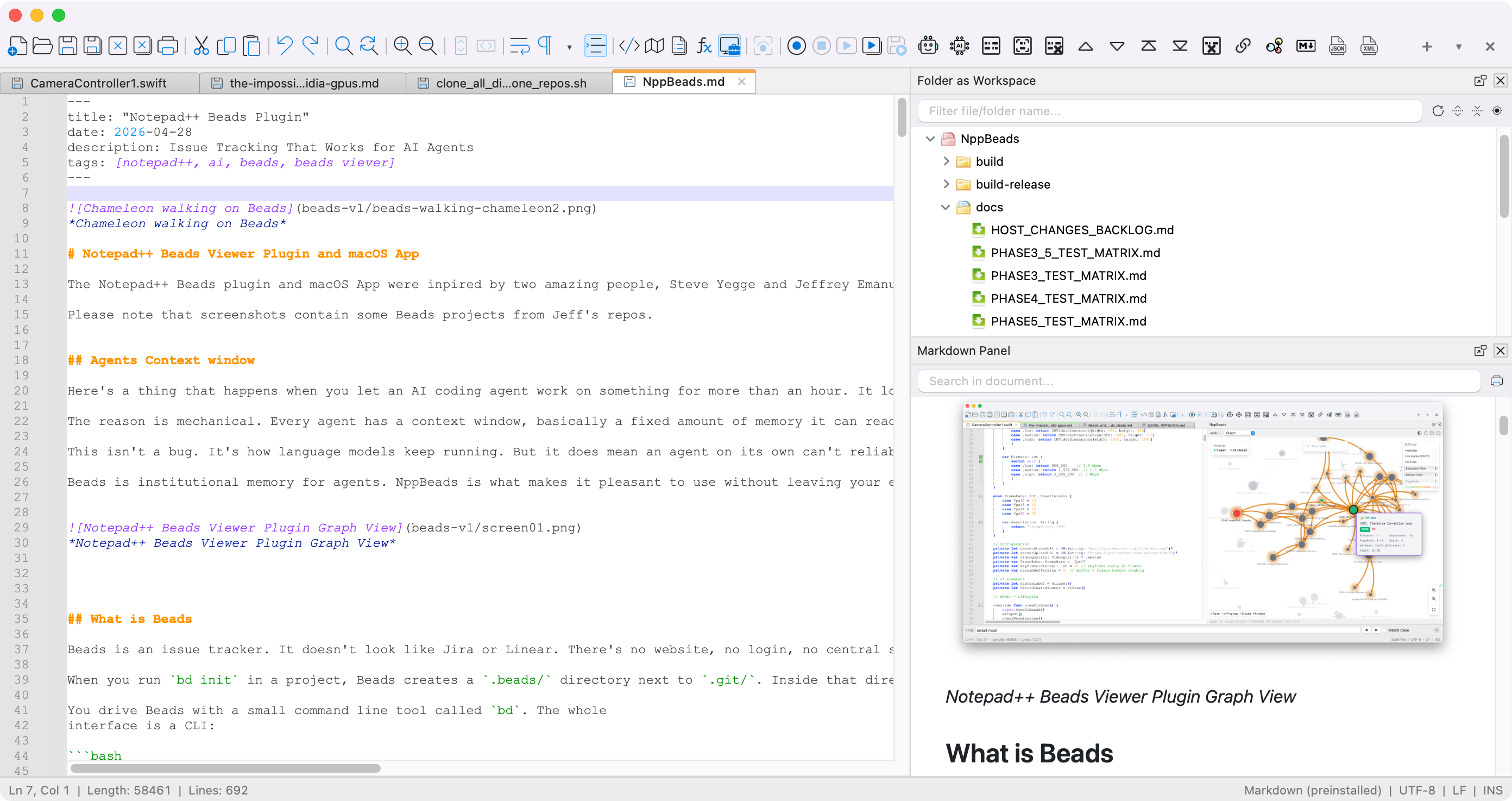
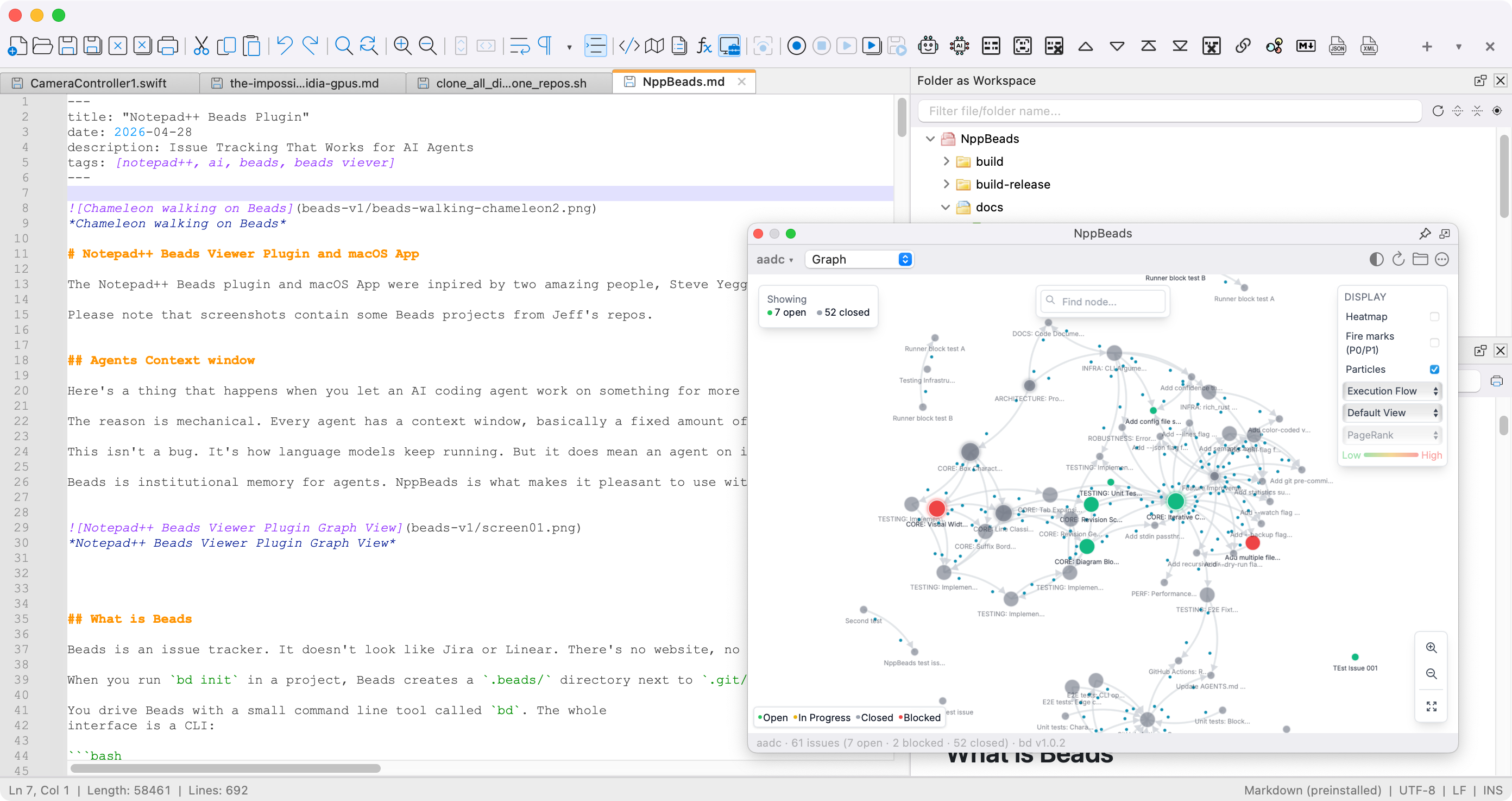
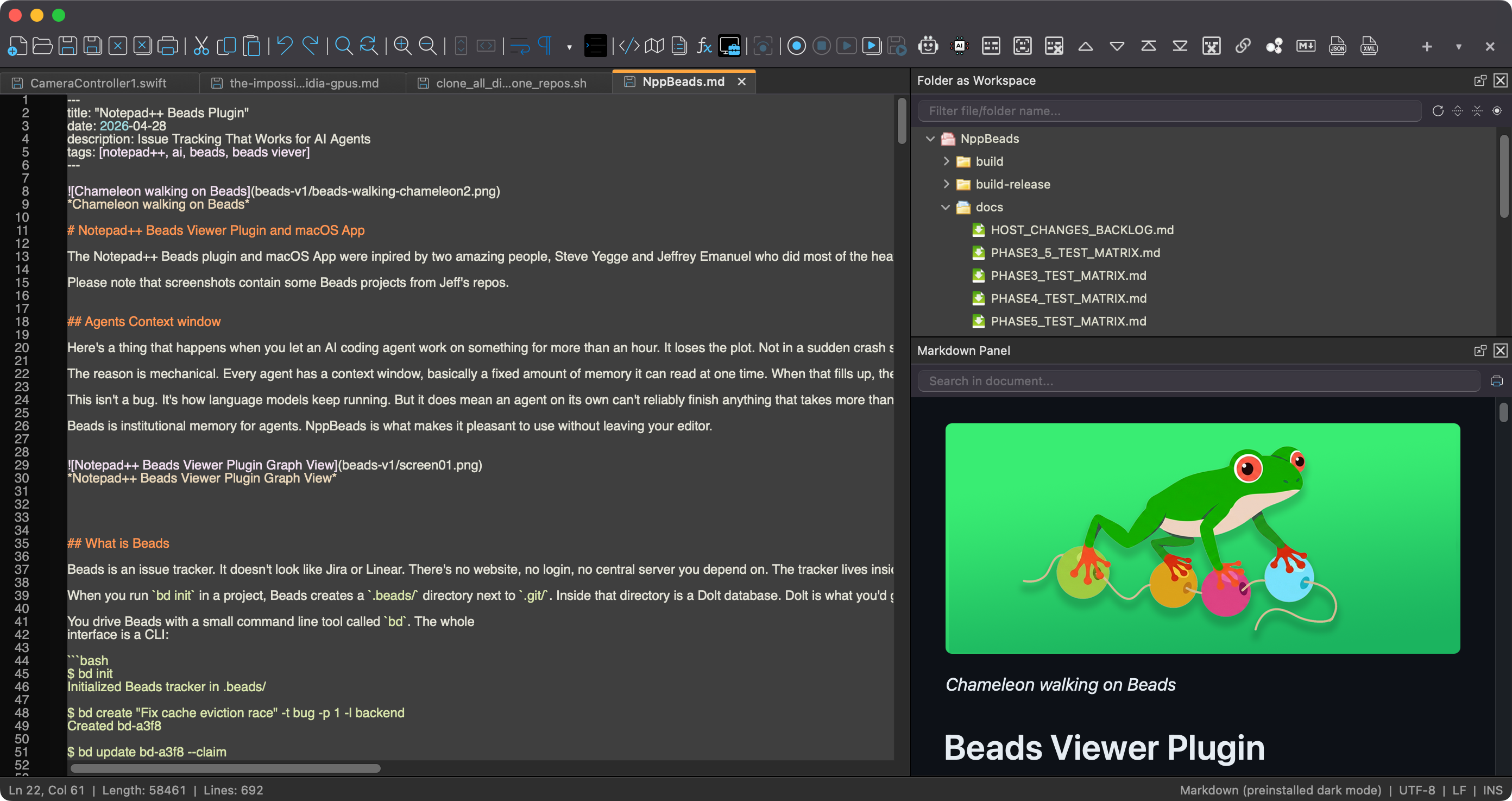
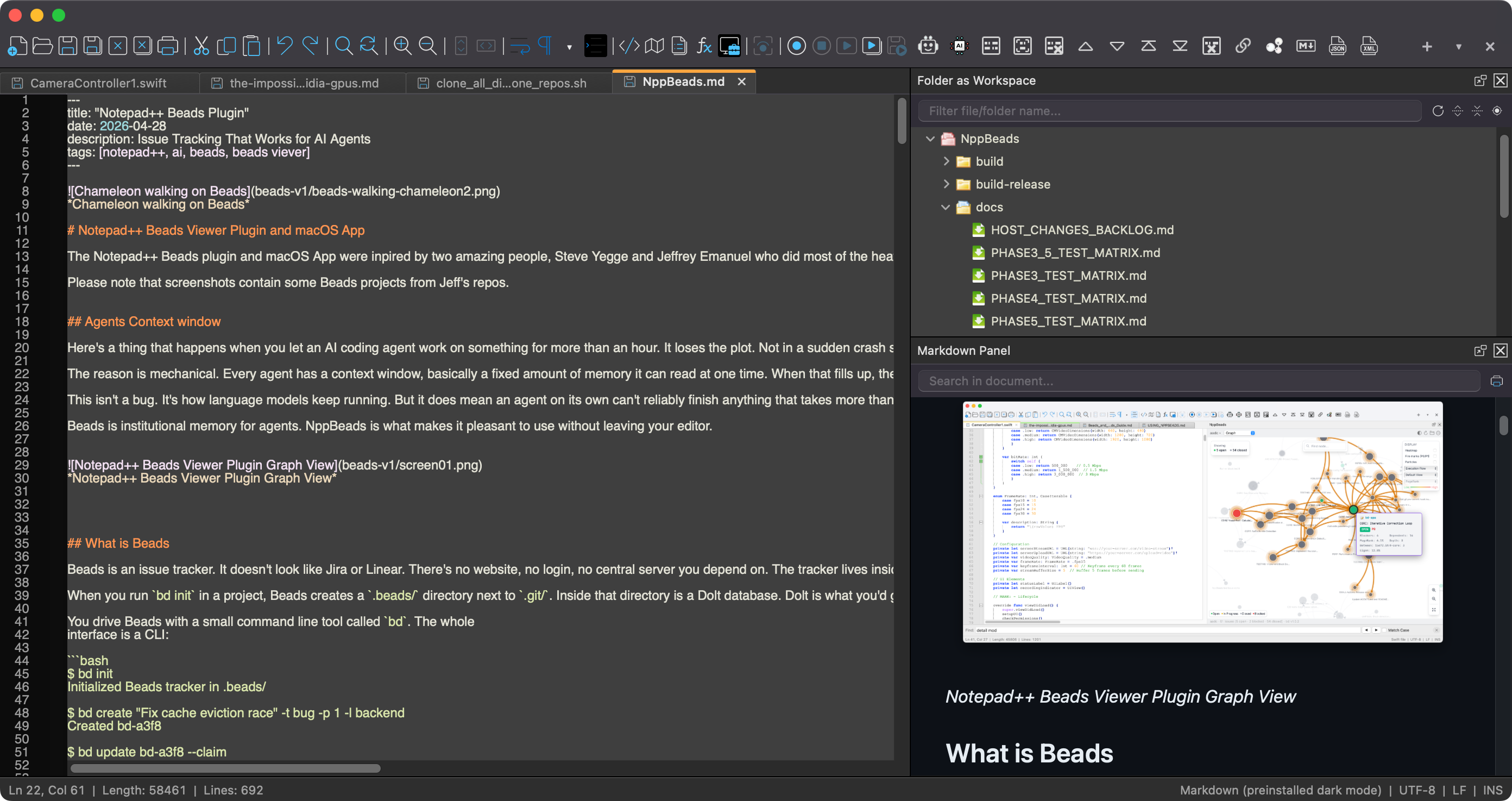
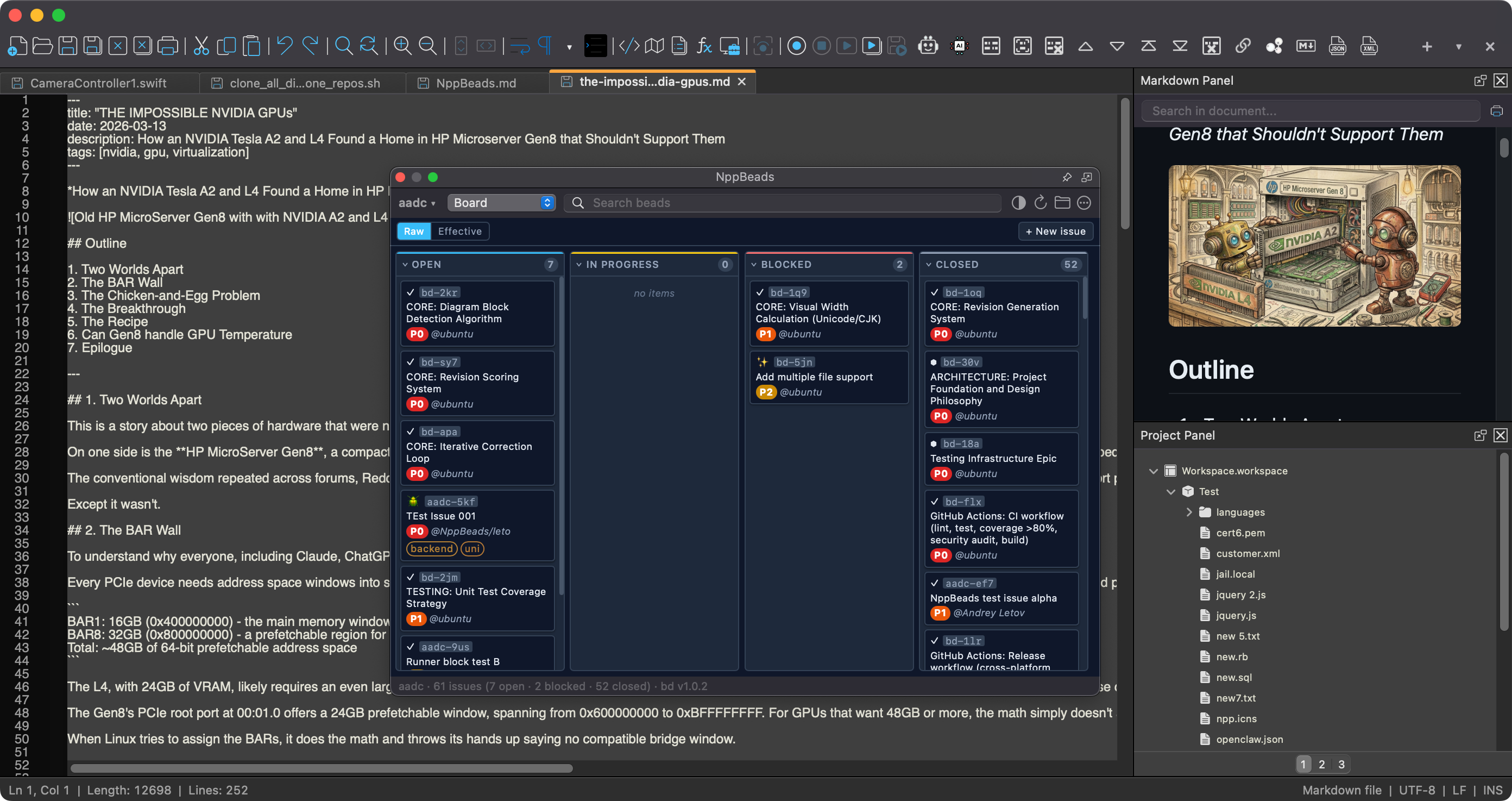
Nextpad++ has powerful features and built to feel right at home on macOS.
Support for 80+ programming languages with customizable color themes and user-defined languages. Switch Nextpad++ to the language you speak. It supports 137 languages out of the box.
Extend functionality with a rich plugin ecosystem. Customize your editor to match your workflow. More plugins are being migrated to macOS as we speak.
Built for M-series chips. Launches instantly, runs efficiently, and respects your battery life.
Powerful search with regular expressions, find in files, bookmark lines, and incremental search.
View and edit two documents side by side, or two parts of the same document simultaneously.
Record, save, and replay macros to automate repetitive editing tasks with ease.
Nextpad++ is a free, open-source source code editor that supports many programming languages and is great for general text editing. No Wine, Porting Kit, or emulation layer is needed — this is an independent native Notepad++ port governed by the GNU General Public License.
Based on the powerful editing component Scintilla, Nextpad++ for Mac is written in Objective C++ and uses pure platform-native APIs to ensure higher execution speed and a smaller program footprint. I hope you enjoy Nextpad++ on macOS as much as I enjoy bringing it to the Mac.
This project is an open-source and independent community port of Notepad++ to macOS, started on March 1, 2026. It is distributed as an Apple Developer ID-signed and Apple-notarized Universal Binary, runs natively on both Apple Silicon (M1–M5) and Intel Macs, and contains no telemetry, no advertising, and no data collection of any kind. The full source is available at github.com/nextpad-plus-plus/nextpad-plus-plus-macos. For the official Windows version of Notepad++, visit notepad-plus-plus.org.
Windows 11 Phoenix LiteOS Pro Neon (22H2) is a custom, modified build of Windows 11 designed for maximum performance, particularly on older or low-end hardware. It achieves this by
While the performance gains are attractive, using a modified OS like Phoenix LiteOS involves significant risks: PHOENIX LITE OS 11 PRO + 22H2 | NEON EDITION #windows windows 11 phoenix liteos pro neon 22h2 build work
Base Version (22H2): Built on the major 2022 Windows 11 update, which introduced features like taskbar drag-and-drop, snap layout improvements, and File Explorer tabs. Important Considerations Windows 11 Phoenix LiteOS Pro Neon (22H2) is
We tested the Neon 22H2 build against stock Windows 11 22H2 on a 2015 laptop (Intel Celeron N2840, 4GB RAM, 5400RPM HDD). We tested the Neon 22H2 build against stock
Removing core system services can sometimes lead to software incompatibility or unexpected crashes during specific tasks. Legacy Status:
To understand the work of the Phoenix LiteOS build, one must first understand the 22H2 foundation. The 22H2 update was a significant milestone for Windows 11, refining the user interface and stabilizing the underlying code. However, for many users, it remained a heavy burden on system resources. This is where the "LiteOS" philosophy intervenes. The creators of the Phoenix build engage in a process of surgical removal. They excise the Windows Component Store, strip out the legacy Edge browser, remove telemetry scripts, and disable the myriad of background services that usually run without the user’s consent. In doing so, they transform a heavy, data-collecting platform into a lean, standalone environment.
Many security experts consider "Lite" versions a risk because they often disable Windows Update to prevent the system from re-installing removed services. Stability: