
SVG Design Tools
Design Seamlessly
Design stunning graphics, convert photos to vectors, and transform JPG or PNG files into clean SVGs. With Vectr’s user‑friendly and built‑in logo maker, achieve professional results fast and effortlessly.
Design stunning graphics, convert photos to vectors, and transform JPG or PNG files into clean SVGs. With Vectr’s user‑friendly and built‑in logo maker, achieve professional results fast and effortlessly.
Scale up your image to vector conversions including JPG to SVG, PNG to vector, raster to vector, and vector logo generation. Vectr’s AI powered tools deliver high quality, print ready results with unmatched speed.


Start designing with an easy-to-learn vector editor built for speed and simplicity. Whether you're converting images to vector, generating logos, or using AI-powered tools like PNG to SVG conversion, Vectr makes it simple for beginners and efficient for professionals.
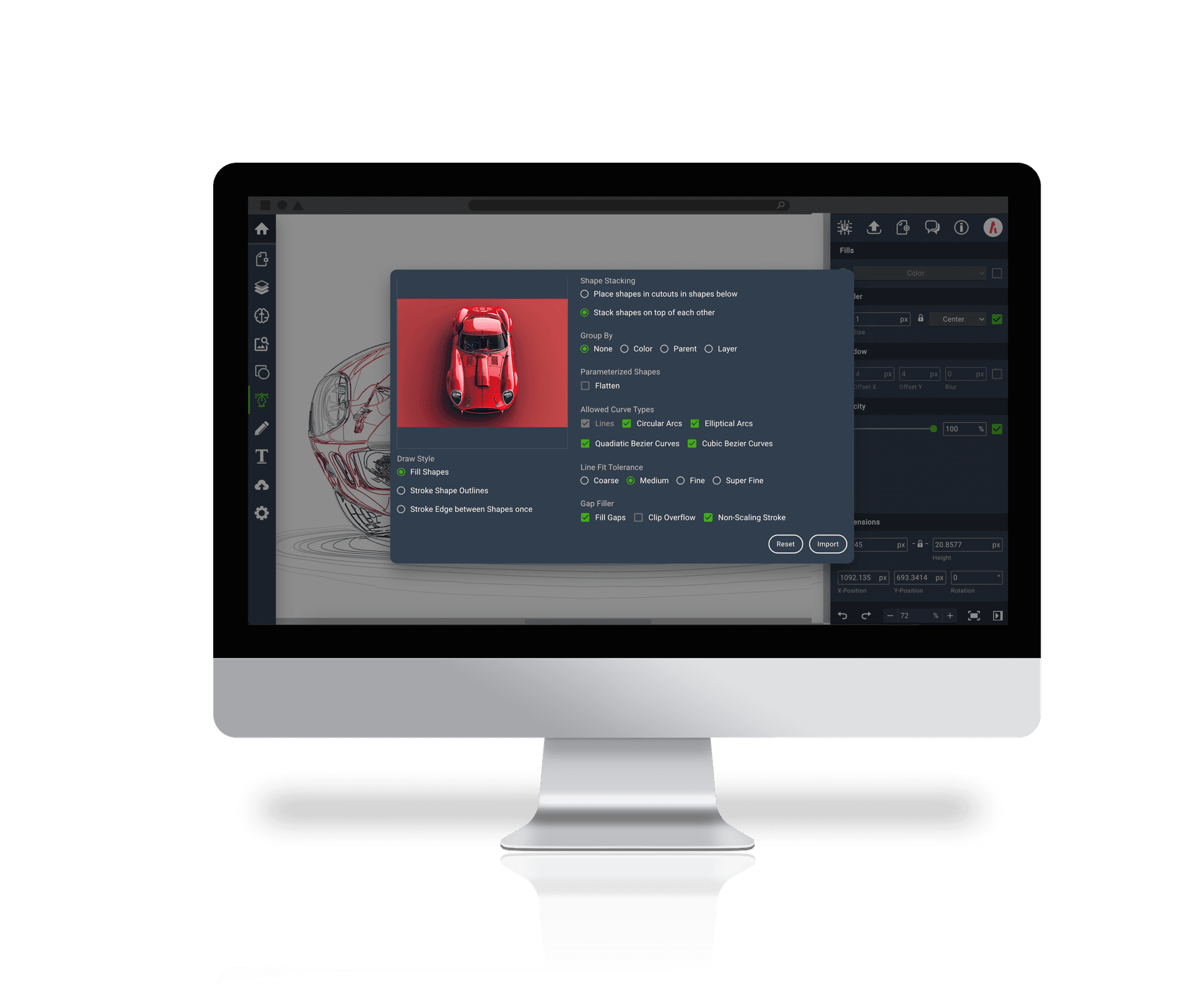

Transform your design process with AI tools built for speed and precision. From image to vector conversion, JPG and PNG to SVG converter, to text-to-image and logo generation, automate your workflow with Vectr’s intelligent vector editor built for professionals.

Collaborate in real time using our cloud-based vector editor with live workspace sharing and integrated chat. Ideal for teams and agencies working on image to vector conversions, logo designs, and scalable SVG graphics.
With sync across all devices, access your cloud-based vector editor anytime to continue designing, editing logos, or converting images to vectors with real-time updates wherever you are.

James Montier's "Value Investing: Tools and Techniques for Intelligent Investment" presents value investing as a contrarian, behavioral-based discipline focused on mitigating permanent capital loss rather than managing volatility. It outlines a framework for assessing valuation, business, and financial risk while employing tools to override behavioral biases and identify short-selling opportunities. For more details, visit Wiley.
Implementing Value Investing
The Margin of Safety Calculator – A step-by-step method to estimate a company’s intrinsic value not as a single number, but as a range. The rule: only buy when the current price sits at a 30–50% discount to the low end of that range.
The term "value investing" is often reduced to a single, memorable maxim: "Buy low, sell high." While catchy, this phrase obscures the rigorous, disciplined, and often counter-intuitive framework that genuine value investing demands. As a hypothetical yet comprehensive guide, Value Investing: Tools and Techniques for Intelligent Investment argues that the approach is less an art and more a science of applied patience. It is a methodology built not on speculation or market sentiment, but on a quantifiable discrepancy between a company’s market price and its intrinsic worth. This essay explores the core premise of that guide, detailing the essential tools, analytical techniques, and psychological disciplines that transform value investing from a simple philosophy into a replicable, intelligent investment process.
James Montier's "Value Investing: Tools and Techniques for Intelligent Investment" (2009) challenges traditional finance by providing a practical, behaviorally grounded framework for identifying undervalued assets. The text emphasizes a contrarian approach, defining risk as the permanent loss of capital and prioritizing a strict margin of safety over market volatility. For more details, visit Perlego.
Specific sectors or industries you want to analyze (e.g., tech, energy, retail)
James Montier's "Value Investing: Tools and Techniques for Intelligent Investment" presents value investing as a contrarian, behavioral-based discipline focused on mitigating permanent capital loss rather than managing volatility. It outlines a framework for assessing valuation, business, and financial risk while employing tools to override behavioral biases and identify short-selling opportunities. For more details, visit Wiley.
Implementing Value Investing
The Margin of Safety Calculator – A step-by-step method to estimate a company’s intrinsic value not as a single number, but as a range. The rule: only buy when the current price sits at a 30–50% discount to the low end of that range. James Montier's "Value Investing: Tools and Techniques for
The term "value investing" is often reduced to a single, memorable maxim: "Buy low, sell high." While catchy, this phrase obscures the rigorous, disciplined, and often counter-intuitive framework that genuine value investing demands. As a hypothetical yet comprehensive guide, Value Investing: Tools and Techniques for Intelligent Investment argues that the approach is less an art and more a science of applied patience. It is a methodology built not on speculation or market sentiment, but on a quantifiable discrepancy between a company’s market price and its intrinsic worth. This essay explores the core premise of that guide, detailing the essential tools, analytical techniques, and psychological disciplines that transform value investing from a simple philosophy into a replicable, intelligent investment process. "The Intelligent Investor" by Benjamin Graham : A
James Montier's "Value Investing: Tools and Techniques for Intelligent Investment" (2009) challenges traditional finance by providing a practical, behaviorally grounded framework for identifying undervalued assets. The text emphasizes a contrarian approach, defining risk as the permanent loss of capital and prioritizing a strict margin of safety over market volatility. For more details, visit Perlego. memorable maxim: "Buy low
Specific sectors or industries you want to analyze (e.g., tech, energy, retail)


