
Savita Bhabhi Bengalipdf New [extra Quality] May 2026
The Quiet Symphony of the Indian Household: A Glimpse into Daily Life
An Indian family is not merely a unit of related individuals; it is a living, breathing organism—a small, self-contained ecosystem governed by rhythm, resilience, and an unspoken hierarchy of love and duty. To step into an average Indian home is to step into a kaleidoscope of sensory experiences: the scent of cumin seeds crackling in hot oil, the distant chime of a temple bell, the overlapping cadences of multiple conversations, and the soft rustle of cotton saris.
Night: The Unwinding
Dinner is lighter, often leftovers from lunch or a simple khichdi. The television blares the 8 PM news or a family-friendly reality show—watched with running commentary from everyone. By 10 PM, the tempo slows. The father helps the youngest child with math homework. The mother finally sits down to pay bills online, muttering about electricity rates. The grandmother tells a bedtime story—not from a book, but from memory: a tale of a clever jackal, a wedding from 1967, or a life lesson wrapped in metaphor. savita bhabhi bengalipdf new
The afternoon paints a quieter, yet equally vivid picture. In many homes, this is a time for the "siesta" culture, especially in smaller towns. The streets are empty, the sun beating down mercilessly, while inside, the whir of the ceiling fan lulls the family to sleep. However, for the women of the house, the day continues. It is a time for intricate rituals like Rangoli (Kolam) designs drawn outside the doorstep—a daily artistic expression meant to welcome prosperity and guests. The Quiet Symphony of the Indian Household: A
- Search Online: You can try searching online for "Savita Bhabhi Bengali PDF" or "Savita Bhabhi Bengali version" to see if any websites offer the content you're looking for.
- Check Streaming Services: Look for streaming services that host the series and check if they offer Bengali subtitles or a Bengali version.

 from 50 000 UZS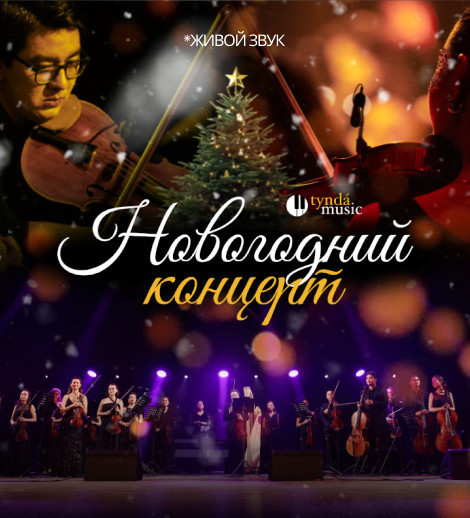
 from 230 000 UZS
 from 2 000 000 UZS
 Sold out
 from 55 000 UZS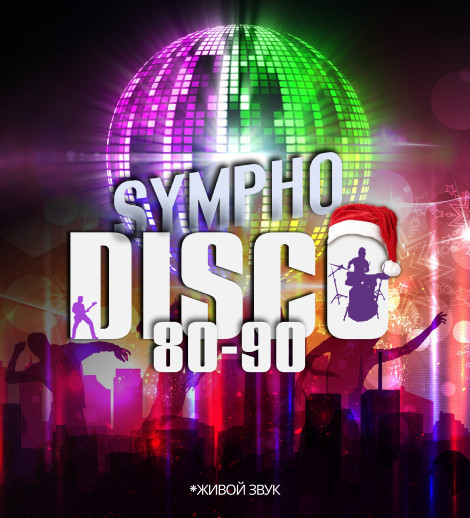
 from 80 000 UZS