Honma Yuri True Story Nailing My Stepmom G _verified_ Full (Trusted – CHECKLIST)
Blended family dynamics have become a staple in modern cinema, reflecting the complexities and challenges of contemporary family structures. The traditional nuclear family, comprising a married couple and their biological children, is no longer the only normative family arrangement. Modern cinema has begun to showcase the intricacies of blended families, which include stepfamilies, single-parent households, and families with diverse cultural backgrounds.
A seminal example is Nancy Meyers' The Parent Trap (1998). While a remake, it captured the late-90s optimism about divorce and remarriage. The film portrays the step-parents not as monsters, but as obstacles to the "perfect" reunion of the biological parents. However, the modern twist comes in films like Stepmom (1998) and more recent entries like Blended (2014).
Stepparent-Child Conflict: Negative interactions remain a frequent plot device, appearing in roughly 85% of stepfamily-focused films Step Brothers honma yuri true story nailing my stepmom g full
And in that sense, modern cinema is finally doing what it does best: holding a mirror up to the audience. The blended family is not a problem to be solved. It is a relationship to be negotiated—day by day, scene by scene. And for that, we finally have the movies to prove it.
On the more commercial end, The Kissing Booth 2 (2020) and its sequels flirt with the step-sibling trope but ultimately retreat into safety. The protagonist’s best friend becomes her step-brother, and the film spends two hours assuring the audience that nothing romantic will happen. This hedging reveals a cultural truth: audiences are still deeply uncomfortable with step-sibling intimacy, even when no blood relation exists. Modern cinema has acknowledged the trope but refuses to embrace it without layers of irony or angst. Blended family dynamics have become a staple in
Blended family dynamics have become a staple of modern cinema, reflecting the complexities and challenges of building a new family unit. By examining key themes, notable films, and trends in modern cinema, this guide provides a comprehensive overview of the portrayal of blended families on screen. As society continues to evolve, it is likely that blended family dynamics will remain a prominent feature of modern cinema, offering audiences relatable and engaging stories about love, family, and identity.
Recent cinema frequently uses the following themes to explore the "bonus family" experience: A seminal example is Nancy Meyers' The Parent Trap (1998)
Consider The Kids Are All Right (2010), directed by Lisa Cholodenko. The film centers on a lesbian couple, Nic and Jules, and their two teenage children, conceived via sperm donor. When the children invite their biological father, Paul (Mark Ruffalo), into their lives, the family dynamic fractures not through evil intent, but through the messy reality of jealousy, unmet expectations, and adolescent rebellion. The step-figure (Paul) isn't trying to destroy the family; he’s trying to join it, and his bumbling incompetence—showing up with expensive gifts he can’t afford, cooking elaborate meals no one wants—is painfully real.




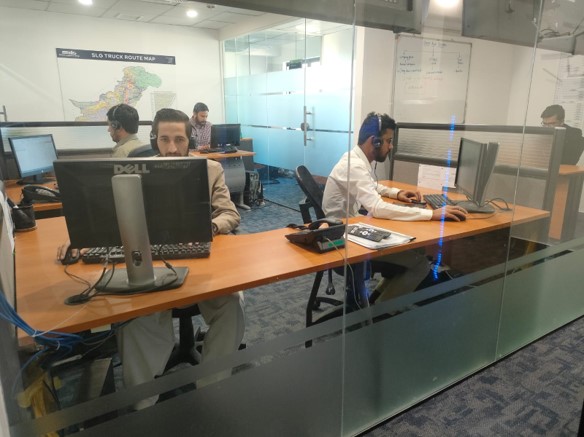
 SecurLog (Traditional Logistics)
 LogiServe (Tech Logistics)
 Secure Track SecureTrack focuses on
providing Advance Fleet Management solutions...
Secure Track SecureTrack focuses on
providing Advance Fleet Management solutions...  Fist Security & Sky Guard Fist Security and Sky Guard: Security Services Static Guarding,
Close Protection, Provision of Security Equipment...
Fist Security & Sky Guard Fist Security and Sky Guard: Security Services Static Guarding,
Close Protection, Provision of Security Equipment...