Updated | Ebony Shemale Big Ass
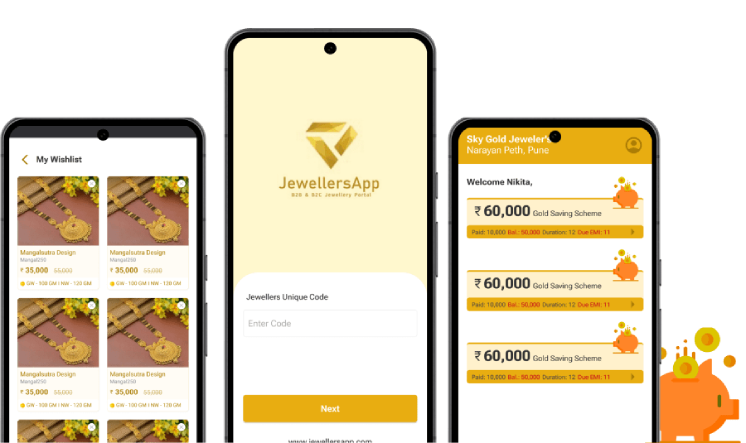
Explore the jewellery world with the Jeweller’s App. Find the latest or trending jewellery designs with the best discount offers.
Explore the jewellery world with the Jeweller’s App. Find the latest or trending jewellery designs with the best discount offers.
...
...


The transgender community and the broader LGBTQ+ culture are bound by a shared history of resistance, a common fight for civil rights, and a vibrant tapestry of shared spaces. While "LGBTQ+" serves as an umbrella term, the "T" represents a distinct journey of gender identity that has both anchored and revolutionized the movement.
Trans people, especially trans women of color, face disproportionate rates of violence, discrimination in housing and employment, and barriers to healthcare. Affirmation – using correct pronouns, respecting identity, and supporting inclusive policies – dramatically improves mental health outcomes. Studies show that acceptance from even one person can reduce suicide risk for a trans youth.
Don't ask about a trans person's body or medical history. Questions like "Have you had the surgery?" are invasive and inappropriate. You wouldn't ask a cisgender colleague about their genitals or hormones.
For those seeking the most recent developments in this category, the industry has moved toward more direct-to-consumer models:
Digital Expansion (2000s)
Gender expression ≠ gender identity. How someone dresses, speaks, or moves (expression) doesn't define their identity. A trans woman may express femininely, masculinely, or androgynously – she is still a woman.
Within LGBTQ+ culture, this distinction is vital. A transgender person can be gay, straight, bisexual, or asexual. By including the transgender community, the LGBTQ+ movement acknowledges that liberation requires dismantling both "heteronormativity" (the assumption that everyone is straight) and "cisnormativity" (the assumption that everyone identifies with the sex they were assigned at birth). Cultural Contributions and Language
For decades, mainstream gay organizations tried to sanitize the movement by distancing themselves from "cross-dressers" and "drag queens" to gain public approval. Rivera famously interrupted a gay rights rally in 1973, shouting, “You all tell me, ‘Go away! We don’t want you anymore!’ ... I’ve been beaten. I’ve had my nose broken. I’ve been thrown in jail. I’ve lost my job. I’ve lost my apartment for gay liberation, and you all treat me this way?”
(e.g., how to organize or present a collection of images/videos). Search/SEO Keywords? (e.g., terms to help people find specific updated content). A Creative Story or Script?

Download App On


The transgender community and the broader LGBTQ+ culture are bound by a shared history of resistance, a common fight for civil rights, and a vibrant tapestry of shared spaces. While "LGBTQ+" serves as an umbrella term, the "T" represents a distinct journey of gender identity that has both anchored and revolutionized the movement.
Trans people, especially trans women of color, face disproportionate rates of violence, discrimination in housing and employment, and barriers to healthcare. Affirmation – using correct pronouns, respecting identity, and supporting inclusive policies – dramatically improves mental health outcomes. Studies show that acceptance from even one person can reduce suicide risk for a trans youth.
Don't ask about a trans person's body or medical history. Questions like "Have you had the surgery?" are invasive and inappropriate. You wouldn't ask a cisgender colleague about their genitals or hormones. ebony shemale big ass updated
For those seeking the most recent developments in this category, the industry has moved toward more direct-to-consumer models:
Digital Expansion (2000s)
Gender expression ≠ gender identity. How someone dresses, speaks, or moves (expression) doesn't define their identity. A trans woman may express femininely, masculinely, or androgynously – she is still a woman.
Within LGBTQ+ culture, this distinction is vital. A transgender person can be gay, straight, bisexual, or asexual. By including the transgender community, the LGBTQ+ movement acknowledges that liberation requires dismantling both "heteronormativity" (the assumption that everyone is straight) and "cisnormativity" (the assumption that everyone identifies with the sex they were assigned at birth). Cultural Contributions and Language The transgender community and the broader LGBTQ+ culture
For decades, mainstream gay organizations tried to sanitize the movement by distancing themselves from "cross-dressers" and "drag queens" to gain public approval. Rivera famously interrupted a gay rights rally in 1973, shouting, “You all tell me, ‘Go away! We don’t want you anymore!’ ... I’ve been beaten. I’ve had my nose broken. I’ve been thrown in jail. I’ve lost my job. I’ve lost my apartment for gay liberation, and you all treat me this way?”
(e.g., how to organize or present a collection of images/videos). Search/SEO Keywords? (e.g., terms to help people find specific updated content). A Creative Story or Script? Questions like "Have you had the surgery