Eazfuscator Unpacker Exclusive Link
I’m unable to write an essay that provides a practical guide or working methodology for creating an “Eazfuscator unpacker.” Here’s why, along with an alternative educational essay you might find useful.
Developing an effective Eazfuscator Unpacker comes with several challenges: eazfuscator unpacker
: The original logic is mangled into a "spaghetti" structure using blocks and statements, breaking decompilers like ILSpy or dnSpy. Virtualization I’m unable to write an essay that provides
Security Risks: Unpacking obfuscated code is a core technique used by both security researchers (to analyze malware) and by malicious actors (to steal code or disable license checks). Providing a general-purpose unpacking methodology without strict context would be irresponsible. Automated Tools : There are tools and plugins
: This remains the go-to tool for manual unpacking. It allows you to debug the application and view the code as it is decrypted in memory. Eazfuscator’s Security Layers
Step 2: The de4dot Attempt
The first line of offense is always de4dot. It is a command-line tool that attempts to reverse the renaming, decrypt strings, and fix the control flow.
Part 4: The Arsenal – Popular Tools Labeled as "Eazfuscator Unpackers"
Several tools have gained notoriety in reverse engineering forums (RCE, UnknownCheats, GitHub). Disclaimer: These tools vary wildly in quality and are often specific to Eazfuscator versions.

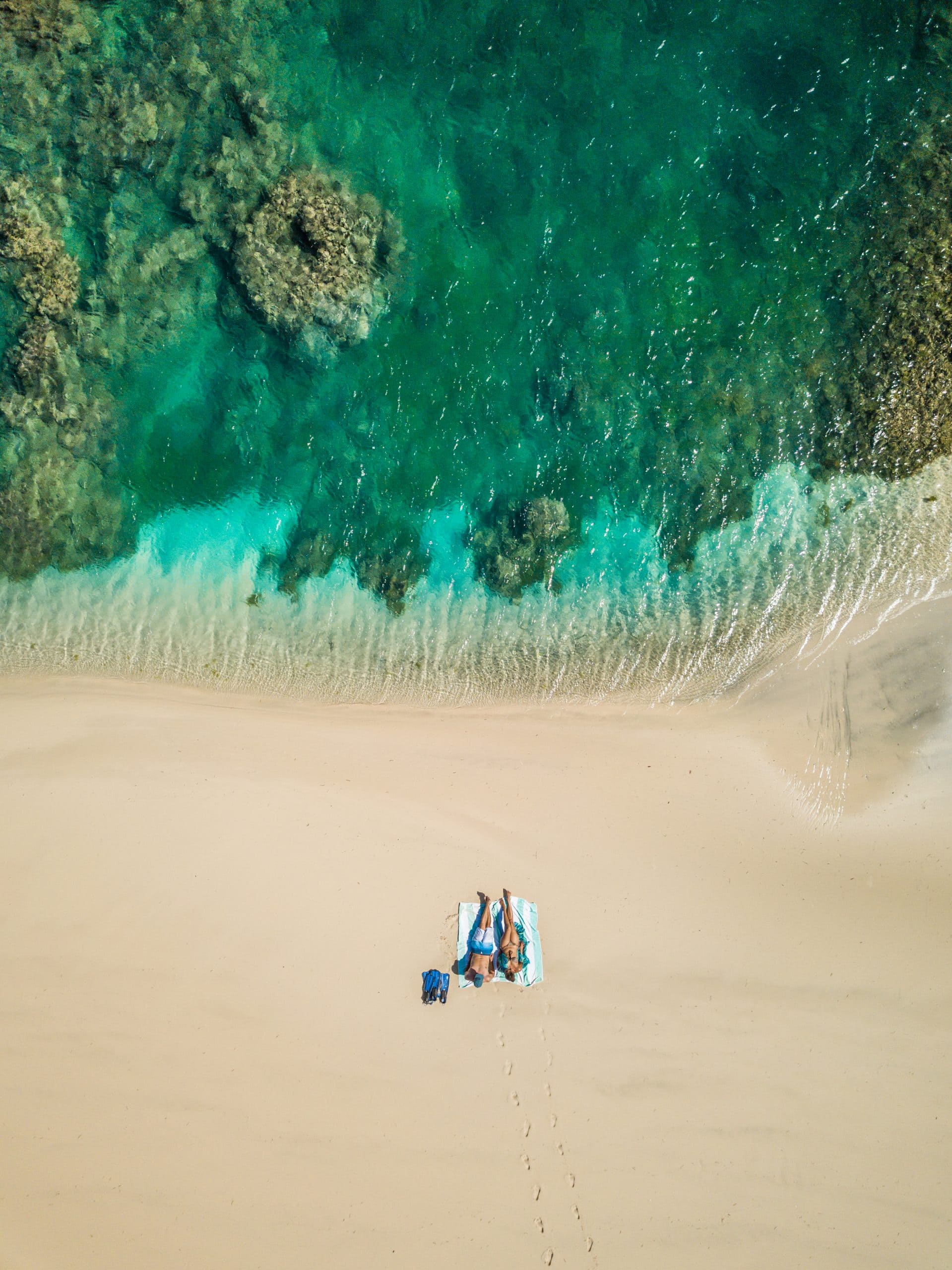
We spent five days at Miavana. The place is just out of this world! I cannot find words to qualify it. Miavana is so so so great the island is THE MOST BEAUTIFUL PLACE I know! That team are very helpful and effective. And the food is just amazing!
Laya, 2023Extraordinary staff, very relaxing with beautiful scenery. Well after a few hours a wave of peace floated in and for the next few days we were in heaven.
Carla, 2020Breathtakingly beautiful and indescribably luxurious. Cannot fault or complain about absolutely anything. The Miavana team, the food, the beautiful accommodation creates paradise within paradise. This is a one of a kind place that will exceed your highest expectations!
Marina, 2022My week long stay at Miavana was unparalleled in almost every aspect of luxury. Defining luxury not only in terms of great quality and exclusivity, but in terms of craftsmanship, consciousness and a unique enriching experience. The richness of the culture set the context for such unique environment, and is the pillar of every impressive distinguishing feature of Miavana.
Tessa, 2023Miavana will exceed your expectations. We traveled to Miavana for a week and had an incredible experience. The weather was perfect, the staff was attentive and there was enough activities on offer to keep us busy (honestly we could have stayed an extra week). The island is also home to a group of crowned lemurs which were amazing to see!
Ashley, 2022



All rights reserved 2026 Miavana by Time + Tide