Locals To Meet

The 1992 film (Vietnamese title: Tổn Hại Vô Luân ) is a provocative psychological drama directed by Louis Malle and adapted from the 1991 novel by Josephine Hart
The final act of the film shows Stephen, years later, alone in a sun-drenched European square. He is a ghost in his own life. The final voiceover, often rendered in subtitles as a meditation on his solitude, seals his fate. He has survived the damage, but he is no longer living; he is merely existing in the wreckage. Damage 1992 Vietsub
Bạn có thể tìm xem bộ phim này trên các nền tảng lưu trữ phim kinh điển hoặc các trang cộng đồng yêu điện ảnh để trải nghiệm trọn vẹn không khí u tối nhưng đầy lôi cuốn của nó. The 1992 film (Vietnamese title: Tổn Hại Vô
The Vietsub will translate dialogue, but some cultural/political references might be tricky. Here’s a spoiler-light summary: Chất lượng phim: Hiện nay có nhiều bản
For Vietnamese audiences, this film is a cautionary tale wrapped in luxury. It asks: What would you ruin for a moment of true feeling? The answer, encoded in the Vietsub, is chilling.
The 1992 film (Vietnamese title: Tổn Hại Vô Luân ) is a provocative psychological drama directed by Louis Malle and adapted from the 1991 novel by Josephine Hart
The final act of the film shows Stephen, years later, alone in a sun-drenched European square. He is a ghost in his own life. The final voiceover, often rendered in subtitles as a meditation on his solitude, seals his fate. He has survived the damage, but he is no longer living; he is merely existing in the wreckage.
Bạn có thể tìm xem bộ phim này trên các nền tảng lưu trữ phim kinh điển hoặc các trang cộng đồng yêu điện ảnh để trải nghiệm trọn vẹn không khí u tối nhưng đầy lôi cuốn của nó.
The Vietsub will translate dialogue, but some cultural/political references might be tricky. Here’s a spoiler-light summary:
For Vietnamese audiences, this film is a cautionary tale wrapped in luxury. It asks: What would you ruin for a moment of true feeling? The answer, encoded in the Vietsub, is chilling.
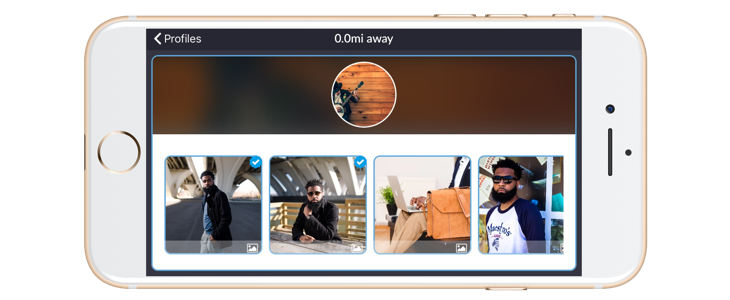
Our team works around the clock to not only ensure that the profiles you interact with are real, and that all media uploaded is authentic. We've introduced a convenient process to allow users to verify there media in 3 steps to keep credibility.
Select any previously uploaded videos or images that you would like to verify.
Using your device's camera; take a photo or record a video of yourself. Videos are preferred as they provide more accuracy during the verification process.
Tap done to submit your media to Mako. The team will review and process your request typically within 24 hours. A notification will be sent to you when this is complete. For all approved media, a blue check will appear next to it them.
First question is about Riga's availability on markets?
Riga was developed for both major mobile platforms to be able to serve as many users as possible. It wasn't easy and it required a lot of development time but now people from all over the world can enjoy the app.
Second question is about the reason of being for Riga and what sparked this awesome software project?
It all started with one of those days when everything goes wrong and you feel at the end of your patience. At the end of one of this type of days, the founder came up with the idea of building an app that would help him get by.
Third question is about some of the app's features?
Every feature was carefully planned and introduced only after debating the idea with all team members and getting their complete approval. The testing department did a great job in making sure everything works like a charm.
Riga also automatically collects and information
Including the activities you perform on our Website, the Platforms, and the Applications, the type of hardware and software you are using (for example, your operating system or browser), and information obtained from cookies.
For example, each time you visit the Website or otherwise use the Services, we collect your IP
Browser and device type, access times, the web page from which you came, the regions from which you navigate the web page, and the web page(s) you access (as applicable). When you first register for a Riga account and enjoy.
The geographic area where you use your computer
Your full name, username, and email address and other contact details. A unique Riga user ID (an alphanumeric string) which is assigned to you upon registration. Other optional information as part of your account profile.
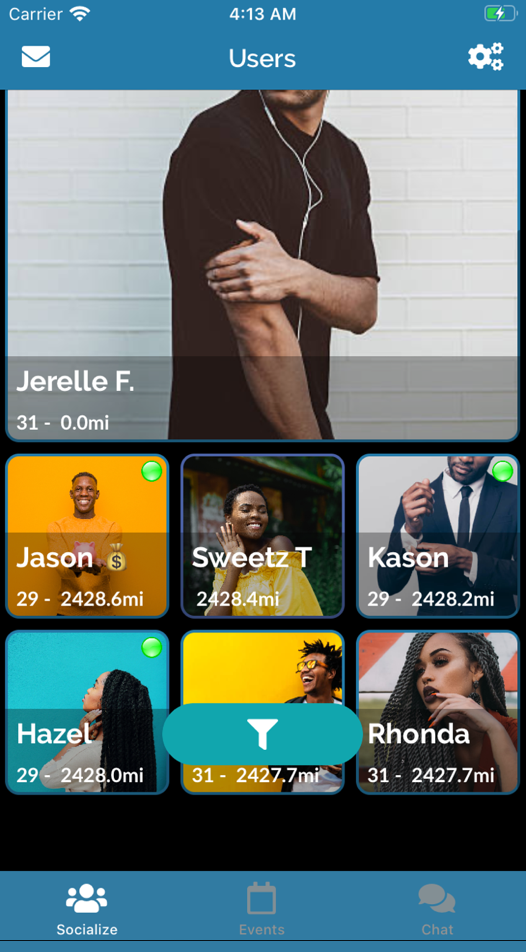
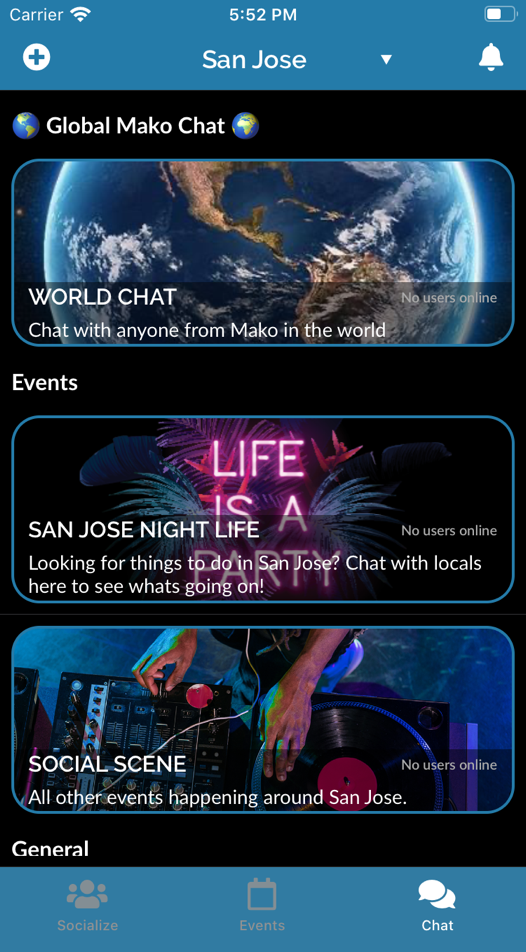
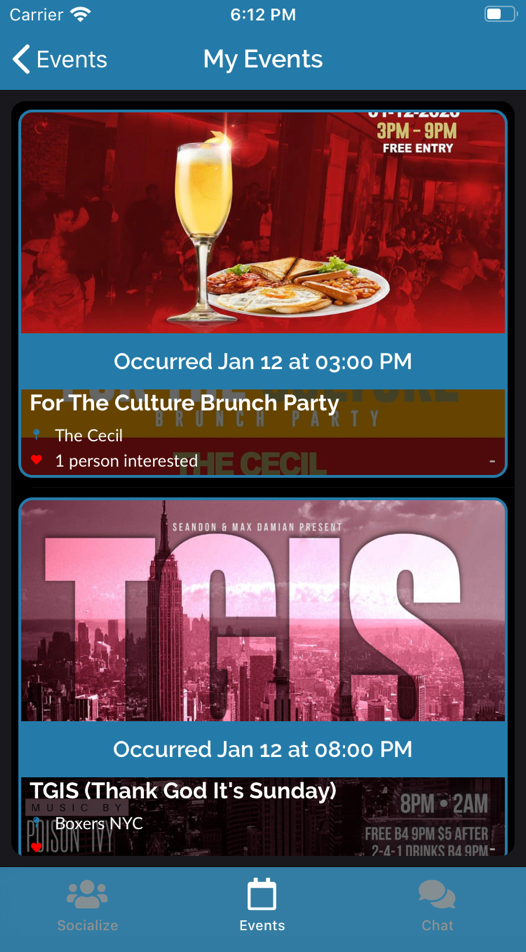
Check out some of the events happening on Mako Now!
Locals To Meet
Good Reviews
Active Events
Mako is app focused on the quality of our users and content; so we take privacy and security seriously. Check out our Terms & Conditions and Privacy Policy to get more details.
DownloadBusiness management app to improve your operational flow and increase revenues. Download now and enjoy.
This is a great app which can help you save time and make your live easier. You should definitely give it a try.
| Responsive layout | |
| Distinctive CTAs | |
| Image gallery slider | |
| Contact forms | |
| FontAwesome icons | |
| Well-structured code |
Get in shape quickly with the exercise plans provided by our fitness mobile app. Download now and enjoy.
This is a great app which can help you save time and make your live easier. You should definitely give it a try.
| Responsive layout | |
| Distinctive CTAs | |
| Image gallery slider | |
| Contact forms | |
| FontAwesome icons | |
| Well-structured code |
Start to save for rainy days. This app will help you save money on the long run. Download now and enjoy.
This is a great app which can help you save time and make your live easier. You should definitely give it a try.
| Responsive layout | |
| Distinctive CTAs | |
| Image gallery slider | |
| Contact forms | |
| FontAwesome icons | |
| Well-structured code |
Find the best accommodation, health insurance and transportation for your trip. Download now and enjoy.
This is a great app which can help you save time and make your live easier. You should definitely give it a try.
| Responsive layout | |
| Distinctive CTAs | |
| Image gallery slider | |
| Contact forms | |
| FontAwesome icons | |
| Well-structured code |
Use the contact form to send us your message or drop by to meet us over a cup of coffee at our office headquarters.
Copyright 2018 © 8th Court Technologies, L.L.C